

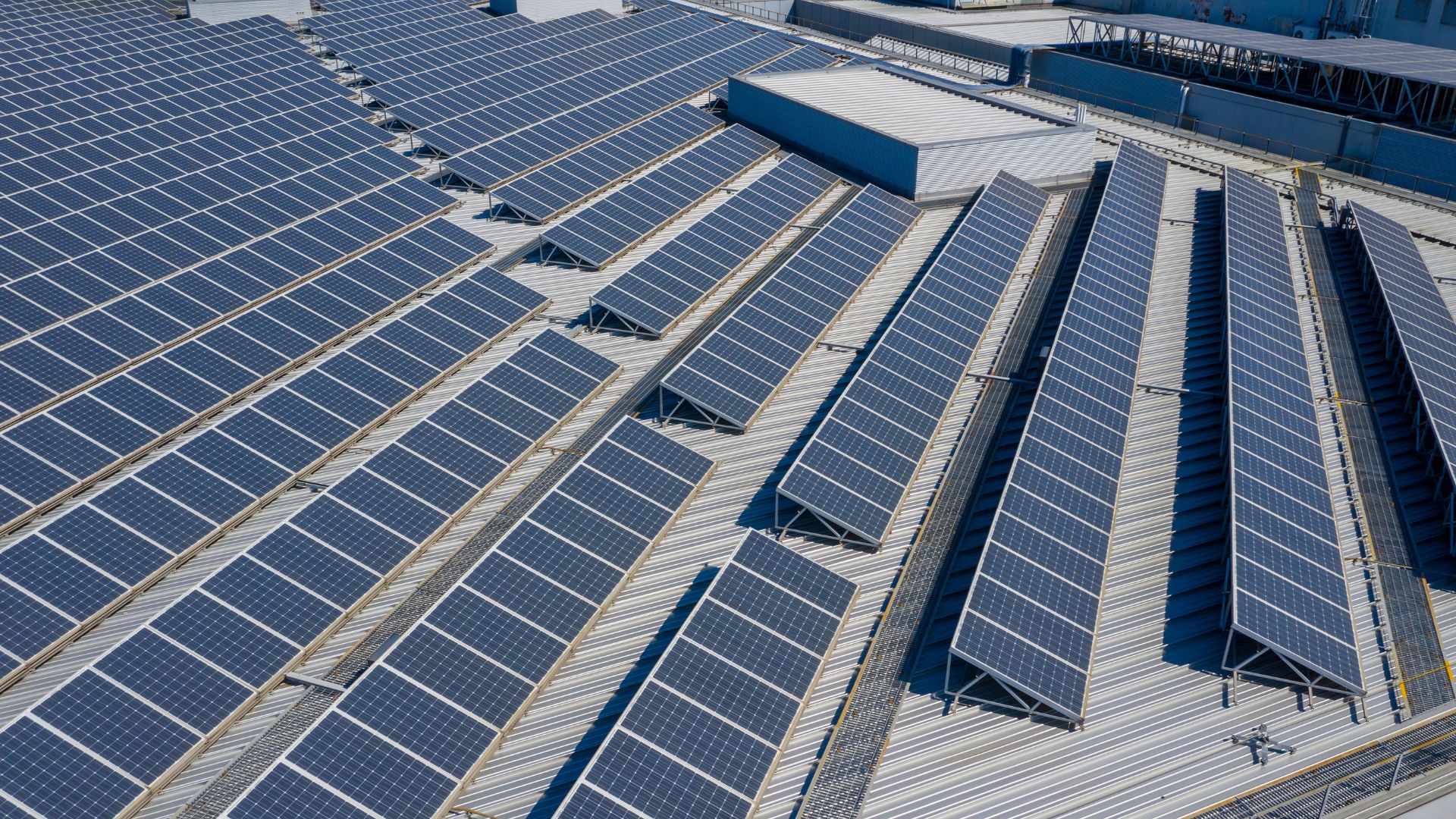







Holcim has signed a long-term power purchase agreement with Peak Energy to deploy one of the largest behind-the-meter solar installations in the Philippines, marking a significant step in integrating renewable energy directly into heavy industrial operations.
The 25-megawatt peak solar project will supply clean electricity to Holcim’s cement manufacturing plants in Bacnotan, La Union, and Norzagaray, Bulacan. The Bacnotan facility will host a 13-megawatt peak system, while the Norzagaray plant will be powered by a 12-megawatt peak installation. Once fully operational, the solar systems are expected to generate around 40 gigawatt hours of electricity annually and cut carbon dioxide emissions by an estimated 28,500 tons per year. This reduction is equivalent to removing about 6,000 cars from the road each year.
The project will be delivered under a 20-year power purchase agreement that requires no upfront capital expenditure from Holcim. Peak Energy will be responsible for the design, construction, and long-term operation and maintenance of the solar facilities, while Holcim will purchase the electricity produced throughout the contract period. This structure allows Holcim to achieve immediate savings on electricity costs while embedding renewable power into its core manufacturing processes without disrupting plant operations.
For energy-intensive industries such as cement manufacturing, electricity costs and supply stability are critical operational considerations. By adopting a behind-the-meter solar solution, Holcim reduces exposure to grid volatility and rising power prices while advancing its decarbonization goals. The project supports the company’s broader Net Zero ambition and reflects a shift toward cleaner and more resilient industrial operations in the Philippines.
Peak Energy described the project as a milestone for industrial renewable energy deployment in the country. The company said the combined capacity of the installations makes it the largest behind-the-meter industrial solar project to date in the Philippines, demonstrating how clean energy is becoming a strategic asset rather than a compliance-driven add-on for major enterprises.
The partnership also highlights the growing role of long-term energy procurement strategies in managing business risk. By locking in clean power over two decades, Holcim gains greater visibility over energy costs while reducing its carbon footprint at scale. For Peak Energy, the project strengthens its position as a key provider of renewable solutions for large industrial customers in Southeast Asia.
Peak Energy is backed by Stonepeak Infrastructure Partners and develops, owns, and operates renewable assets across the Asia Pacific region. The company has more than 300 megawatts of operating assets and around 1 gigawatt of projects under development across multiple markets, including Japan, Korea, Australia, Taiwan, the Philippines, Thailand, Singapore, and Indonesia.
Industry observers see the Holcim Peak Energy agreement as a blueprint for other industrial players facing rising energy costs, tightening carbon constraints, and increasing grid uncertainty. As renewable technologies mature and commercial models improve, behind-the-meter solar projects are emerging as a practical pathway for manufacturers to move quickly toward decarbonization while strengthening operational resilience.
For the Philippine power sector, the project signals how private sector investment in on-site renewables can complement national energy transition goals. As more large industrial firms adopt similar models, behind-the-meter solar is expected to play a growing role in reducing emissions, easing grid demand, and supporting long-term industrial competitiveness.