

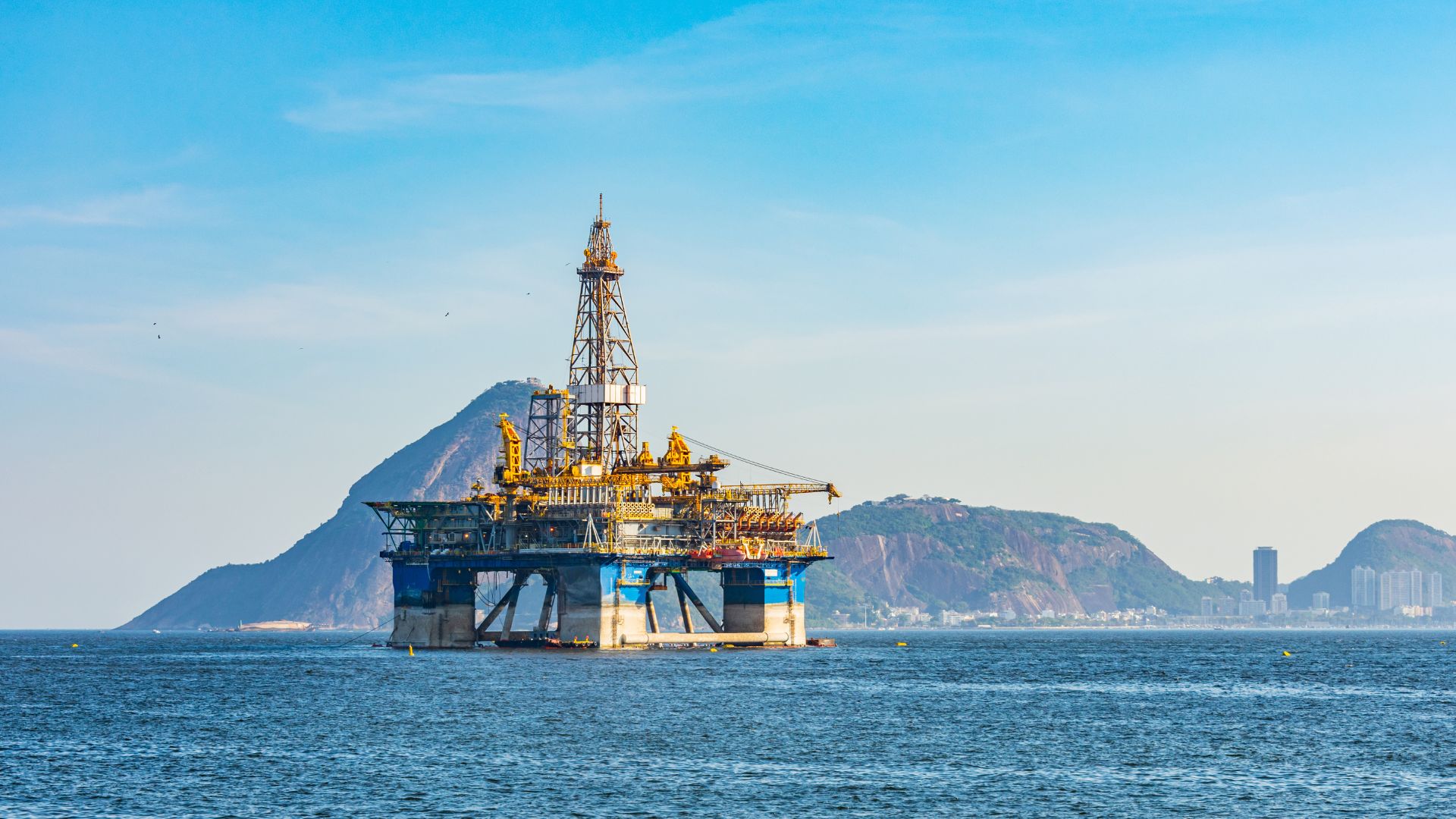







Prime Energy’s stewardship of the Malampaya gas field has drawn heightened attention as concerns over domestic energy security continue to mount. The offshore gas field remains a critical component of the country’s power supply, fueling several gas-fired plants that support the Luzon grid.
Since taking over operations, Prime Energy has focused on maintaining production and extending the field’s contribution amid declining output typical of mature gas assets. Malampaya’s performance is closely watched by policymakers and industry stakeholders, given its role in reducing dependence on imported fuel.
The transition in operatorship has also brought renewed scrutiny to upstream energy management, an area where the Philippines has limited domestic experience. Operational efficiency, safety, and long-term planning are central to sustaining confidence in the field’s continued viability.
As the country explores additional gas development and LNG infrastructure, Malampaya remains a benchmark for domestic energy production. Its future will influence decisions on import dependence, pricing exposure, and long-term energy planning.
Prime Energy’s role underscores the strategic importance of upstream assets in a power system often dominated by downstream debates. How effectively Malampaya is managed in its remaining years will shape the country’s broader approach to energy security and fuel diversification.