

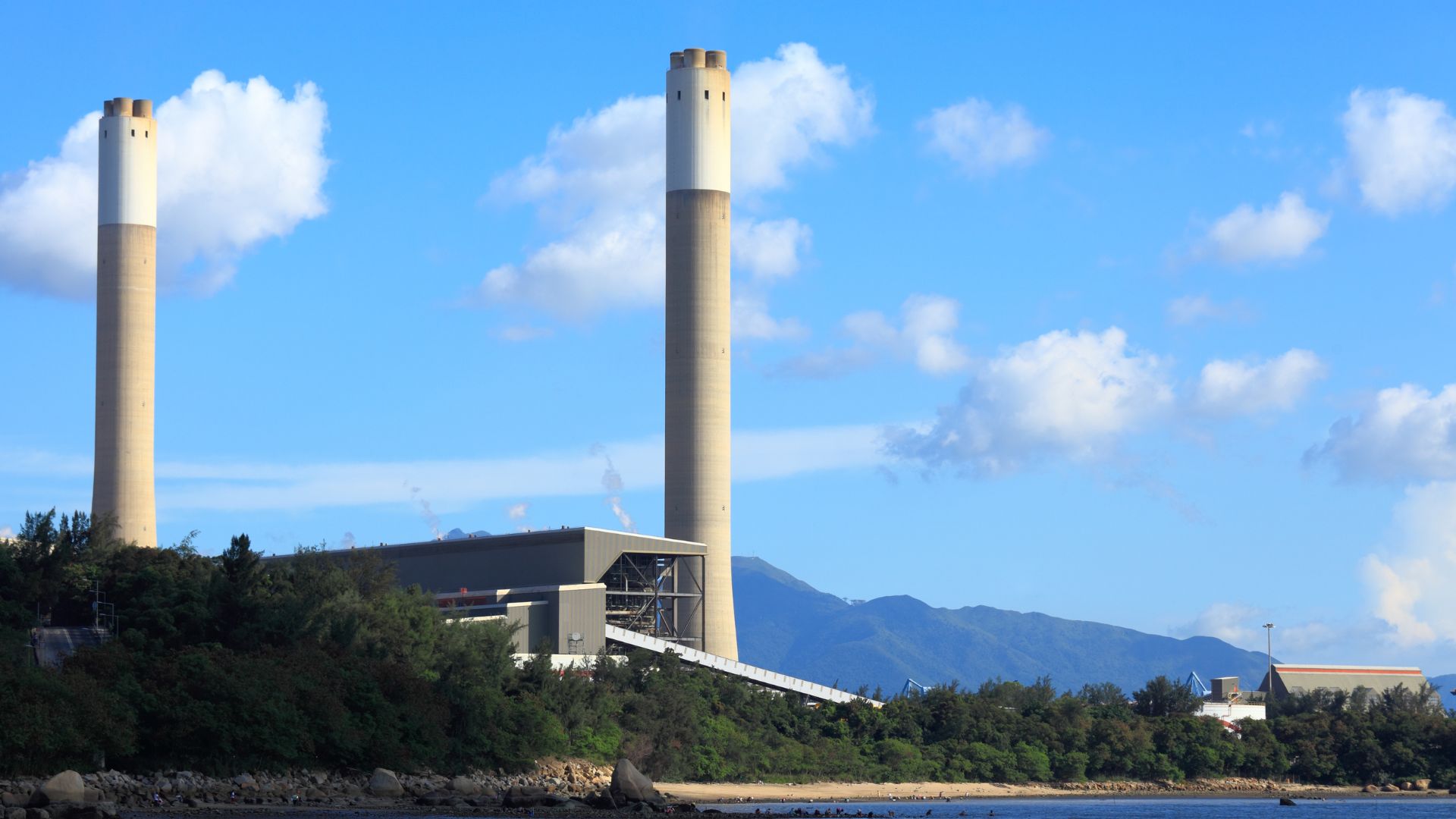







AboitizPower’s Thermal Business Group is reassessing the role of its coal-fired assets as environmental scrutiny, regulatory expectations, and transition commitments intensify across the power sector.
Coal plants continue to provide a significant share of baseload power in the Philippines, offering reliability that remains difficult to replace at scale. However, rising environmental, social, and governance pressures have placed thermal assets under increasing scrutiny from regulators, investors, and host communities.
AP TBG’s challenge lies in balancing operational necessity with transition objectives. While the company has signaled a shift toward cleaner energy investments, existing coal plants remain integral to meeting demand and maintaining grid stability, particularly during peak periods.
Decisions around plant life extensions, emissions compliance, and operational upgrades carry financial and reputational implications. Regulatory frameworks continue to evolve, with tighter environmental standards and growing emphasis on transparency and accountability.
AP TBG’s reassessment reflects a broader industry reckoning with the realities of transition. Coal may be under pressure, but its role in the current system remains significant. How thermal assets are managed in the coming years will influence both energy security and the credibility of decarbonization efforts.