

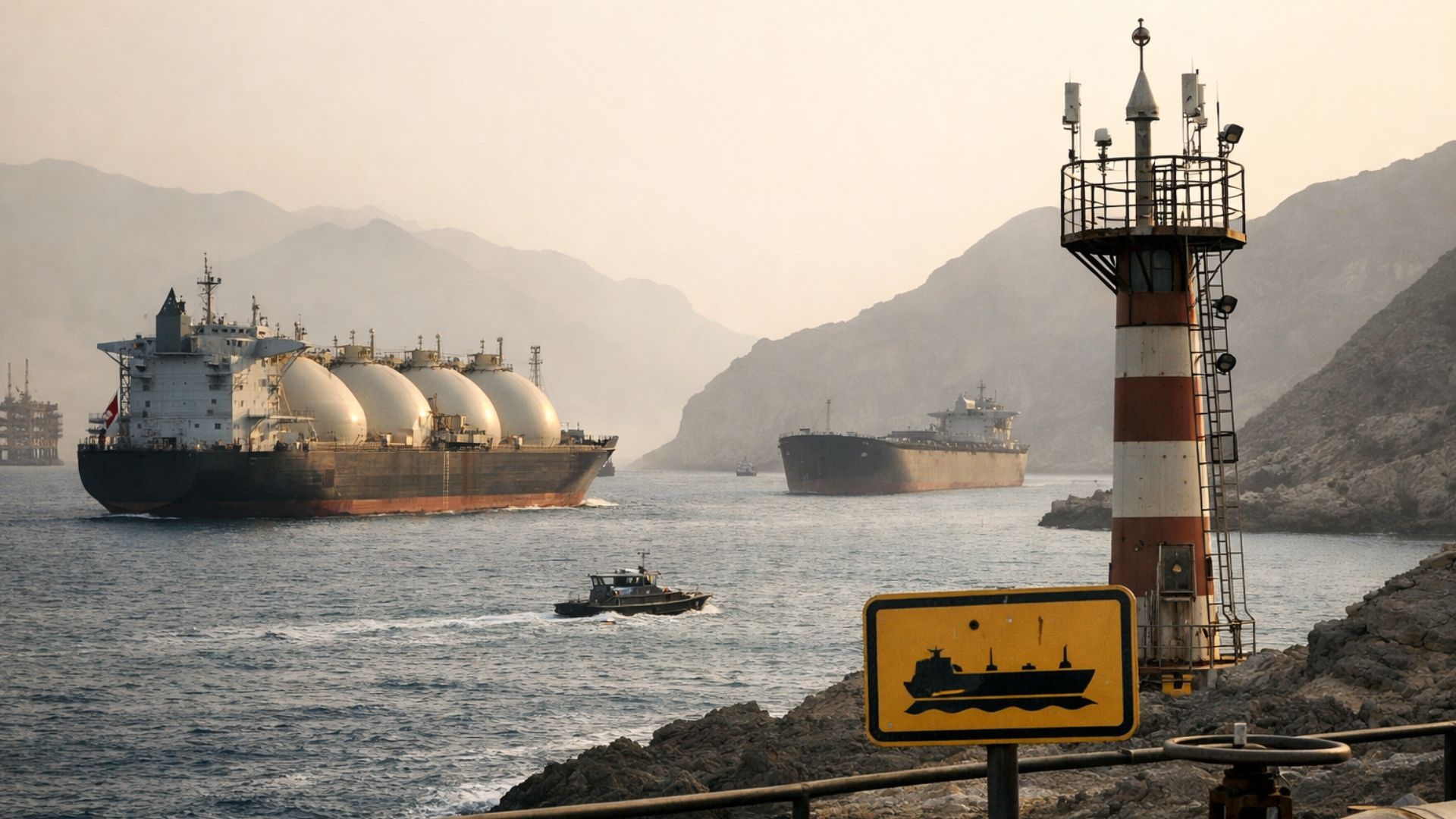







Analysts said in early March 2026 that escalating geopolitical tensions in the Middle East are highlighting Southeast Asia’s reliance on imported fossil fuels and the risks this creates for regional energy security. The developments have renewed discussions among policymakers and industry observers about accelerating renewable energy deployment and diversifying energy supply sources across the region.
Key Facts At A Glance
- Analysts warn Southeast Asia remains heavily dependent on imported oil and LNG
- Rising geopolitical tensions in the Middle East have raised concerns about supply disruptions
- Much of Asia’s energy imports pass through the Strait of Hormuz
- LNG has become a central fuel for electricity generation in several Southeast Asian countries
- Energy security concerns are prompting discussion of renewable expansion
- Policy responses across the region remain uneven
Energy analysts and policy observers said escalating tensions in the Middle East are drawing renewed attention to Southeast Asia’s dependence on imported fossil fuels and the potential vulnerability of its energy systems.
The concern stems from the region’s heavy reliance on seaborne imports of crude oil and liquefied natural gas, much of which originates from Gulf producers and passes through key maritime chokepoints such as the Strait of Hormuz. Disruptions or perceived risks to shipping through the corridor can quickly affect energy prices and supply availability across Asian markets.
Countries across Southeast Asia depend on imported fuels to support electricity generation, transportation, and industrial activity. Singapore and Thailand, for example, have expanded liquefied natural gas imports in recent years to support power generation as electricity demand increases and energy systems evolve.
Energy analysts say the current geopolitical developments have underscored how vulnerable the region can be to global supply disruptions. The Strait of Hormuz handles a large share of global energy shipments, including crude oil and liquefied natural gas, making it one of the most important trade routes for Asian energy importers.
If shipping through the corridor were disrupted, energy-importing economies across Asia could face supply shortages and higher fuel costs. Such developments could also affect electricity generation costs in markets that rely on imported gas or oil for power plants.
Regional policymakers have increasingly discussed energy diversification strategies in response to these risks. In recent years, several Southeast Asian countries have expanded LNG infrastructure, including import terminals and regasification facilities, to support growing electricity demand and provide alternatives to coal-fired generation.
At the same time, the current geopolitical tensions have revived discussions about accelerating renewable energy deployment as part of long-term energy security strategies. Analysts note that solar, wind, and other domestic renewable sources can help reduce reliance on imported fuels if supported by adequate grid infrastructure and policy frameworks.
However, observers say energy policy responses across Southeast Asia remain uneven. Some countries have implemented ambitious renewable energy targets and investment programs, while others continue to rely heavily on fossil fuel imports to meet growing electricity demand.
The recent geopolitical developments therefore highlight both the vulnerabilities and the transition challenges facing Southeast Asia’s power sector as governments seek to balance energy security, affordability, and decarbonization goals.