

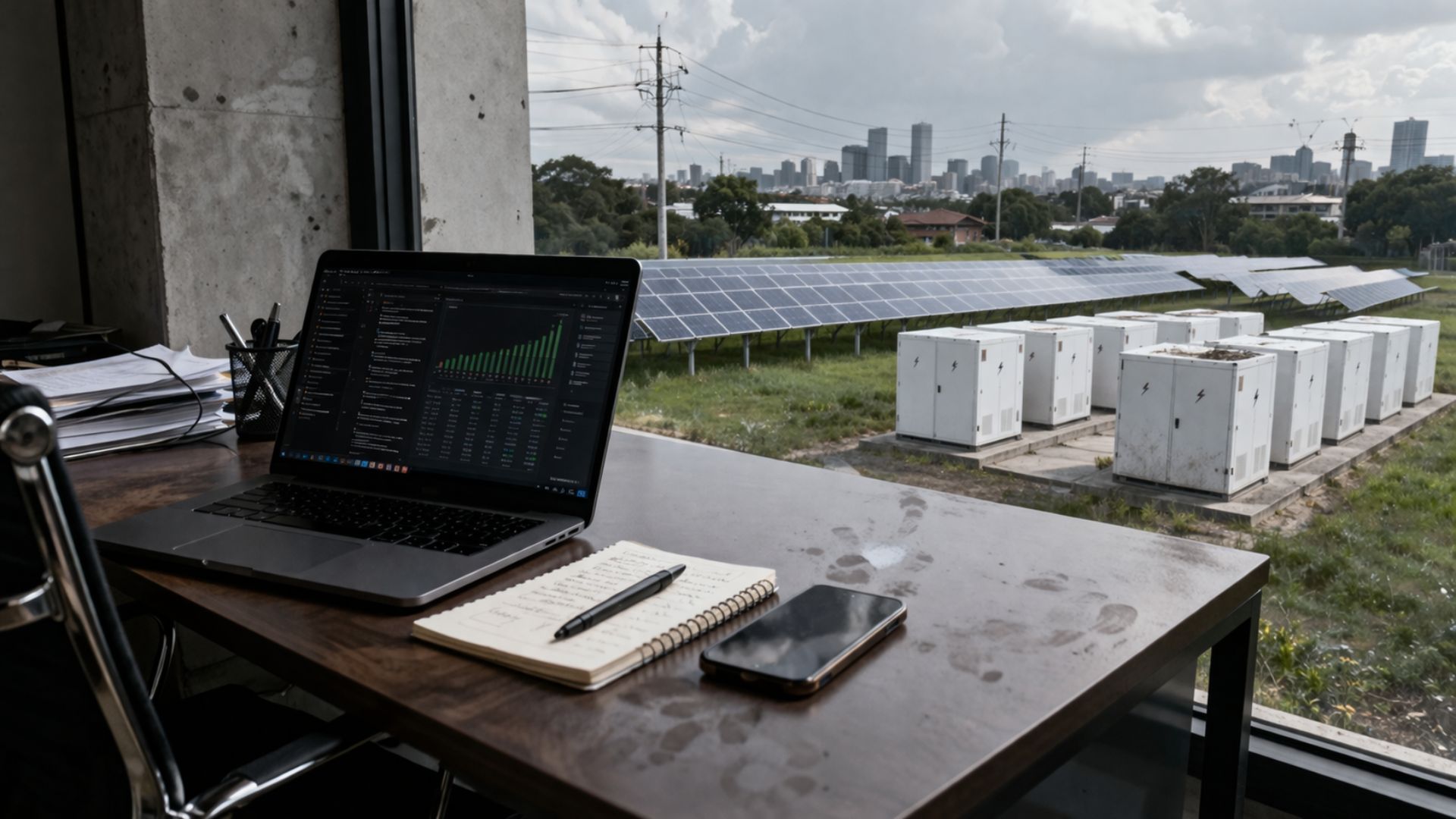







The Future Energy Storage and System Integration Alliance told an industry audience in Hong Kong on March 24 that grid readiness, not generation capacity, is now the binding constraint on Southeast Asia’s renewable energy transition, with the Philippines and Vietnam identified as the two markets facing the most urgent need for large-scale battery storage deployment. The assessment arrived as both countries were simultaneously expanding coal generation to compensate for LNG supply shortfalls caused by the Strait of Hormuz closure.
Key Facts At A Glance
- Statement delivered by FESSIA CEO and Founder Liming Qiao at The Battery Show Asia in Hong Kong on March 24, 2026
- FESSIA was launched in late 2025, established following Qiao’s recognition as a Climate Breakthrough Award recipient
- The alliance operates as a regional multi-stakeholder body spanning industry, policymakers, think tanks, and academia
- FESSIA’s initial market focus is the Philippines and Vietnam, identified as the ASEAN markets with the highest renewable energy penetration and most immediate storage needs
- Key barrier identified: absence of holistic regulatory and market frameworks providing revenue certainty, market access, and investment clarity for storage developers
- Battery energy storage systems identified as the first storage technology expected to scale across the region within five years
- Longer-duration storage technologies expected to follow as renewable penetration deepens toward 2030
- Publicly available detail on this development is limited to a single interview-based article; no government or regulatory filings have been identified
Speaking at The Battery Show Asia in Hong Kong on March 24, 2026, Liming Qiao, CEO and Founder of the Future Energy Storage and System Integration Alliance, said that after years of effort focused on expanding clean energy generation across Southeast Asia, the real bottleneck has shifted to the grid side. The ability of power systems to absorb large volumes of variable renewable energy, Qiao stated, now defines the pace of the regional energy transition more than the availability of solar or wind capacity.
FESSIA’s Origin And Mandate
FESSIA was established in late 2025 following Qiao’s recognition as a Climate Breakthrough Award recipient. The alliance is structured as a regional multi-stakeholder platform, bringing together participants from industry, government, think tanks, and academic institutions. Its core activity is policy engagement: facilitating dialogue between the energy storage sector and governments, utilities, and system operators across Southeast Asia. Qiao described this mission as bridging the gap between private sector readiness to deploy storage and public sector frameworks capable of receiving that investment.
Why The Philippines And Vietnam
FESSIA’s tiered market strategy opens with the Philippines and Vietnam because both countries have reached renewable penetration levels where grid flexibility is no longer a future planning problem but a present operational one. Both grids are managing increasing shares of solar and wind generation whose output varies with weather conditions, creating supply gaps that conventional baseload generation cannot efficiently fill.
The timing of FESSIA’s assessment carries an additional dimension. Both the Philippines and Vietnam are currently operating their grids under emergency conditions created by the Strait of Hormuz closure. The Philippines has declared a national energy emergency and is running coal-fired power plants at elevated output to compensate for constrained LNG supply. Vietnam has been negotiating alternative coal supply contracts to conserve LNG. In both cases, the energy crisis has underscored the fragility of systems reliant on imported fossil fuels, while simultaneously complicating the deployment of the storage infrastructure that would reduce that fragility over time.
The Investment Barrier
Qiao identified the absence of holistic market frameworks as the primary obstacle to large-scale battery storage investment across Southeast Asia. The specific gaps she cited are revenue certainty, market access for storage providers, and regulatory clarity on how storage assets can participate in electricity markets. Without those signals, project finance for battery storage projects remains constrained even in markets where the physical need is clear. FESSIA’s role, as described by Qiao, is to accelerate the policy dialogue that produces those frameworks.
Technology Sequencing
On the technology outlook, Qiao indicated that battery energy storage systems will be the first storage category to scale across the region over the next five years. Longer-duration storage technologies, which can store energy over periods of hours to days rather than minutes to hours, are expected to emerge gradually as renewable penetration continues to rise and the economic case for multi-hour storage strengthens. Grid modernisation and transmission infrastructure were also identified as necessary parallel investments, without which storage deployment alone will not resolve integration constraints.
Scope Of Available Reporting
Publicly available detail on FESSIA and this assessment is limited to the single interview-based article published by AsiaBizToday on March 24, 2026. No government filings, regulatory consultations, or independent corroborating coverage of FESSIA’s specific market assessments have been identified. The organization was established in late 2025 and this appears to be among its first substantive public statements.