








The Philippines’ shift toward renewable energy (RE) continues to pick up speed, with growing backing from developers and investors pushing the country closer to its target of a 35 percent clean energy share by 2030.
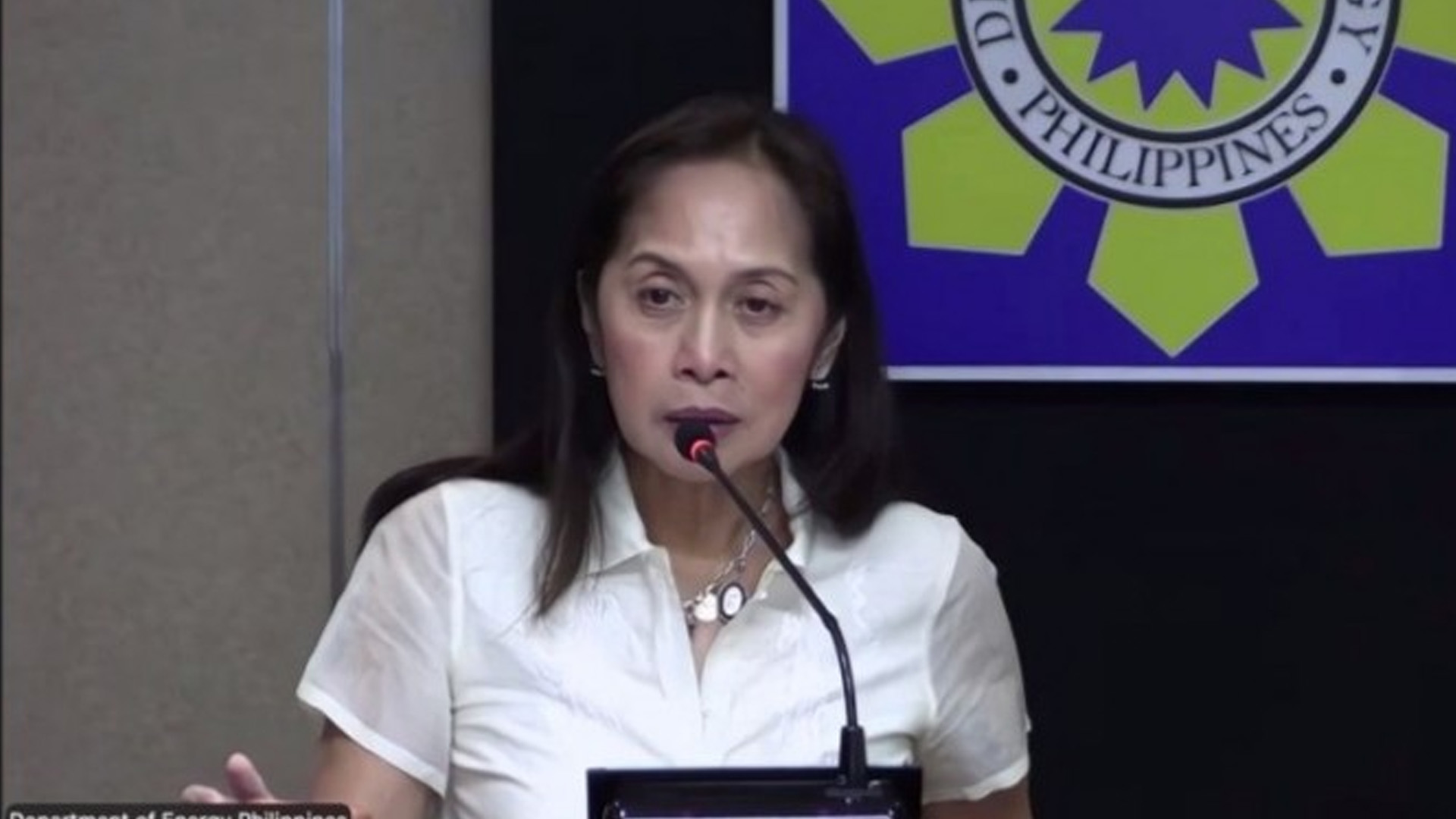
Speaking at the Arangkada Philippines Forum 2026 at the Marriott Ballroom on Friday, Energy Secretary Sharon Garin highlighted the country’s clean energy milestones, declaring that the Philippines “has been successful in renewable energy”.
Garin said renewable energy already accounted for 25 percent of the national power mix as of 2025. This steady progress makes the subsequent targets — 35 percent by 2030, 50 percent by 2040, and even higher shares in the following decades — feasible.
“We are very confident that we will reach that (goal) because of all the programs that we have, especially the Green Energy Auction (GEA),” Garin said, referring to the auction for various RE technologies designed to help ensure energy security in the country.
Among the technologies included in the first four GEAs since 2022 are solar, run-of-river, biomass, wind and integrated solar with energy storage systems. Those in the pipeline include waste-to-energy, offshore wind and biomass, among others.
Garin said the Department of Energy (DOE) is still looking for additional energy technologies such as the use of hydrogen and nuclear to diversify options.
This move, she said, is targeted to “ensure that future generations have access to reliable and sustainable sources of energy.”
Garin said the adoption of electric vehicles (EVs) is also on an uptrend.
This shift demonstrates that Filipinos are becoming more open to using clean energy for transportation, giving authorities strong confidence in hitting the country’s target of a 50 percent EV penetration rate in road transport by 2040, she said.
In 2025, total registered EV units reached 60,906, marking a significant surge from the 24,286 units recorded in 2024.
Garin said that through the country’s energy resiliency roadmap and related policies, the department continues to strengthen preparedness, disaster response, business continuity, and cybersecurity measures across the sector.
“Resiliency is ultimately about protecting lives, safeguarding economic activity, and ensuring that energy remains available as our economy grows,” she said.
“The future energy scenario of the Philippines is not defined by any single project or technology. Rather, it is built on a balanced strategy that combines energy efficiency, renewable energy, emerging technologies, digital innovation, and resiliency. It’s not just one solution that we have to find; it’s the beauty in the combination of energy.” (PNA)