

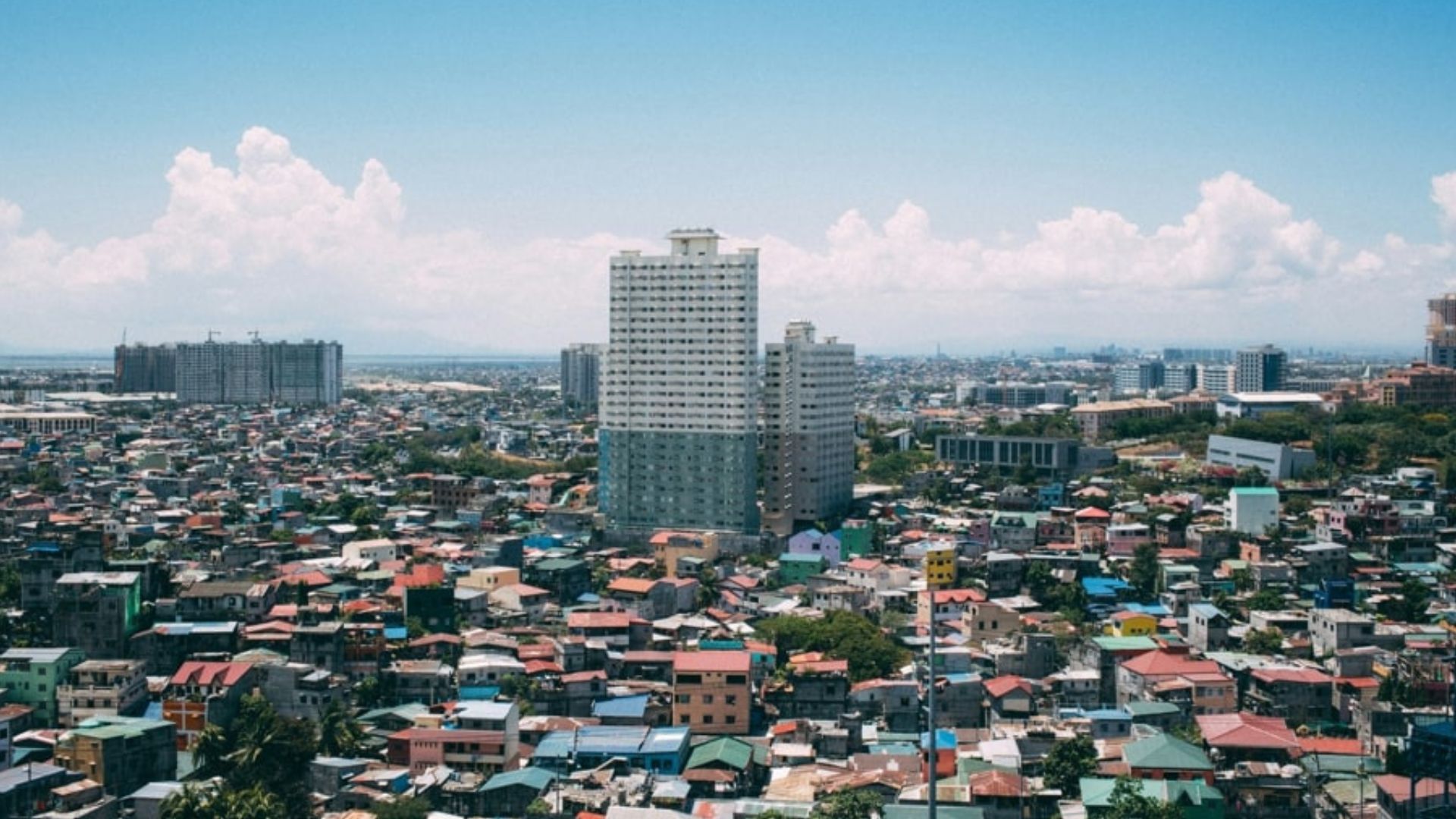







The rising heat index in the Philippines is expected to peak during the dry season, between late March and April. The Philippine Atmospheric, Geophysical, and Astronomical Services Administration (PAGASA), reported dangerously high temperatures in many areas ranging from 42°C to 51°C from March 2 to 5. Extreme heat poses significant health risks, including dehydration, heat exhaustion, and heat stroke. Such extreme conditions also threaten to strain healthcare systems, disrupt energy supplies, and worsen climate-sensitive diseases.

In response, the Department of Health (DOH) has adopted the Department of Science and Technology-PAGASA Heat Index Effect-Based Classification System to guide interventions for heat-related health risks and illnesses. DOH also issued Department Memorandum No. 2025-0114 that outlined guidelines for the prevention and management of extreme heat’s health impacts.

The memo also advises related agencies, hospitals, and health centers nationwide to prepare for increased consultations due to prolonged exposure to extreme heat. The guidelines also incorporate the Climate Resilience Toolkit for Health Centers in the Philippines—a project developed by DOH and Americares (Philippines and US) through the support of Johnson & Johnson and technical guidance and expertise of Harvard Chan C-CHANGE. This collaboration also benefited from the contributions of the Climate Resilience Toolkit Working Group, Project Team Members, and ReVerb Brand Communications (ReVerb).
ReVerb, the sustainability communications arm of the PAGEONE Group, played a key role as the communications and creative consultant for the project. The agency worked together with the Working Group to ensure that the toolkit, resources, and materials were informative and visually engaging. The Toolkit is designed to be a tool to empower health and medical professionals and healthcare providers in preventing and managing heat-related illnesses within their communities.
The Climate Resilience Toolkit is adapted from the U.S. 2.0 version, a first of its kind in the Philippines, tailored to address the country’s unique climate challenges. It is divided into two segments focusing on the management of health impacts caused by the country’s primary hazards: (1) extreme heat and (2) floods and typhoons. Each segment includes clinical guidance for healthcare providers, action plans and tip sheets for patients, health guides for communities, preparedness guides, and communication templates for administrators.
An integral part of the Toolkit is the accompanying Information, Education and Communication (IEC) materials, available in translated versions in Tagalog, Ilocano, and Cebuano. The materials feature vibrant comic-style illustrations that make health information more relatable for the target audience.
For more information about ReVerb Brand Communications and its services, contact teams@reverb.ph.