








The Energy Regulatory Commission has approved a lower revenue cap for the National Grid Corporation of the Philippines for the 2023 to 2027 period, cutting proposed revenues by more than 15 percent as part of its Fifth Regulatory Period reset.
Under the decision, the ERC approved an annual revenue requirement of PHP374.98 billion, down 15.28 percent from NGCP’s original application of PHP442.60 billion. The approval was issued under the alternative rate-setting methodology provided in the Rules for Setting Transmission Wheeling Rates and covers NGCP’s Fifth Regulatory Period, commonly referred to as a regulatory reset.
A regulatory reset is a periodic review process in which the ERC examines a transmission utility’s costs, capital expenditures, and performance, and then sets revenue limits intended to ensure reliable service while preventing excessive charges to consumers. The approved figures also account for capital expenditure under recoveries related to both the fourth and fifth regulatory periods.
The Commission noted that the maximum allowable revenue currently being implemented still covers the Fourth Regulatory Period, which spans 2016 to 2022. The ERC completed the rate reset for that period in 2025, clearing the way for the current Fifth Regulatory Period covering 2023 to 2027.
As part of its review, the ERC reduced NGCP’s proposed capital expenditure program by 17 percent, excluding projects that were already sufficiently considered and approved in the previous regulatory reset. According to the Commission, the approved capital expenditures are intended to fund grid upgrades, system reinforcements, and new transmission projects needed to support rising electricity demand and improve overall power system reliability.
The ERC also disallowed NGCP’s proposal to recover real property taxes from consumers. The Commission cited existing legal rulings that hold that NGCP is exempt from paying real property tax on assets used for its transmission franchise, and therefore such costs should not be passed on through electricity rates.
In regulatory terms, the annual revenue requirement represents the level of income NGCP needs to cover operating costs, maintenance, and approved investments. The maximum allowable revenue, meanwhile, sets the ceiling on how much the company is allowed to recover from consumers, even if its projected costs exceed that amount.
The ERC said its decision was designed to strike a balance between providing adequate funding for critical transmission infrastructure and protecting consumers from unjustified increases in transmission charges. Only costs and investments that passed regulatory scrutiny were included in the approved revenue cap.
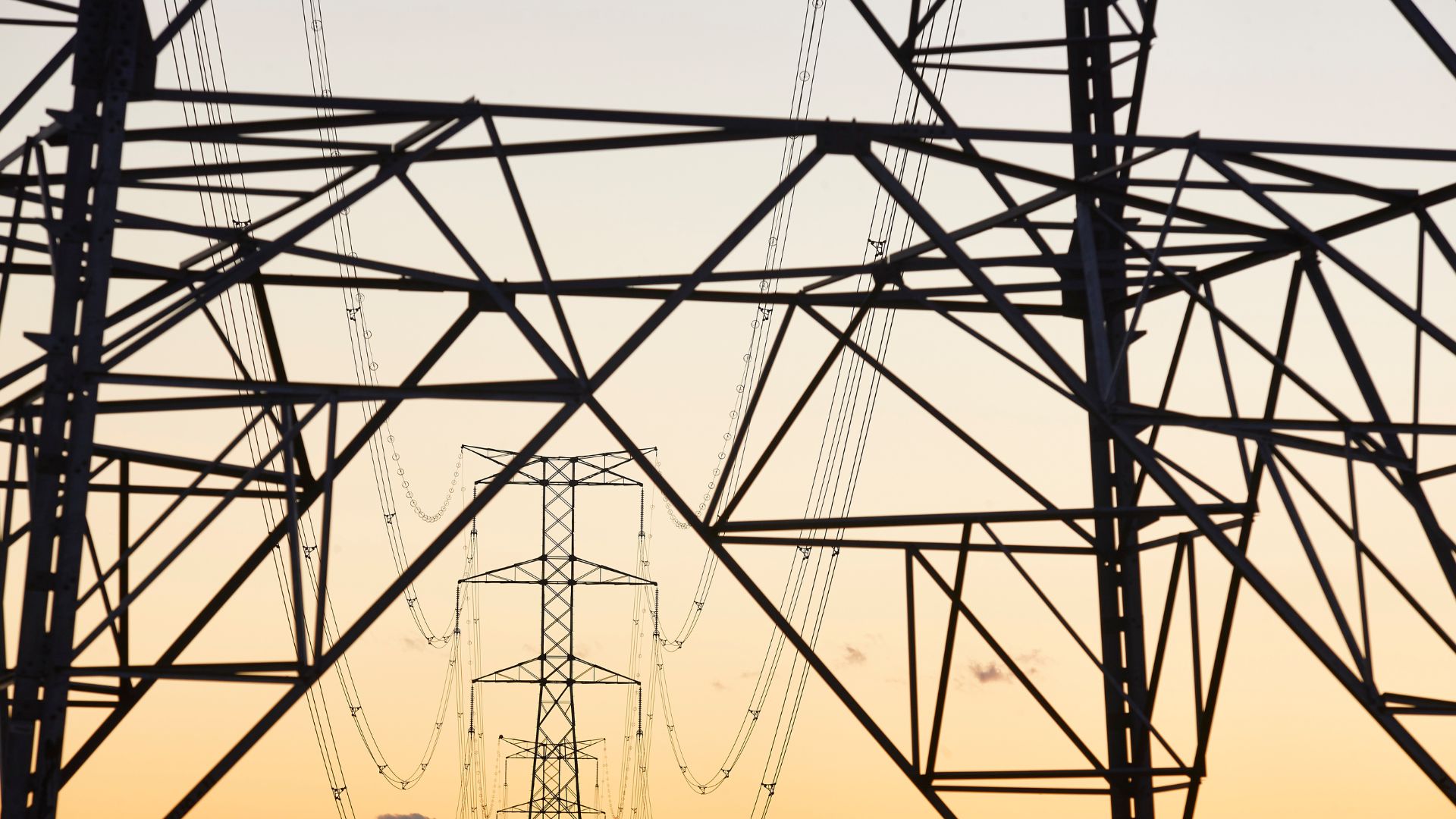
NGCP operates the country’s high-voltage transmission backbone, delivering electricity from power generation facilities to distribution utilities across Luzon, Visayas, and Mindanao. Its investment program is closely watched given the transmission system’s role in integrating new generation capacity and maintaining grid stability.
The Commission said the latest regulatory reset reinforces its mandate to ensure that transmission rates remain just and reasonable, while allowing the transmission concessionaire to recover only efficient and necessary costs required to maintain a reliable and secure power grid. It added that the decision underscores its commitment to transparent rate-setting, consumer protection, and the long-term sustainability of the country’s power transmission infrastructure.