

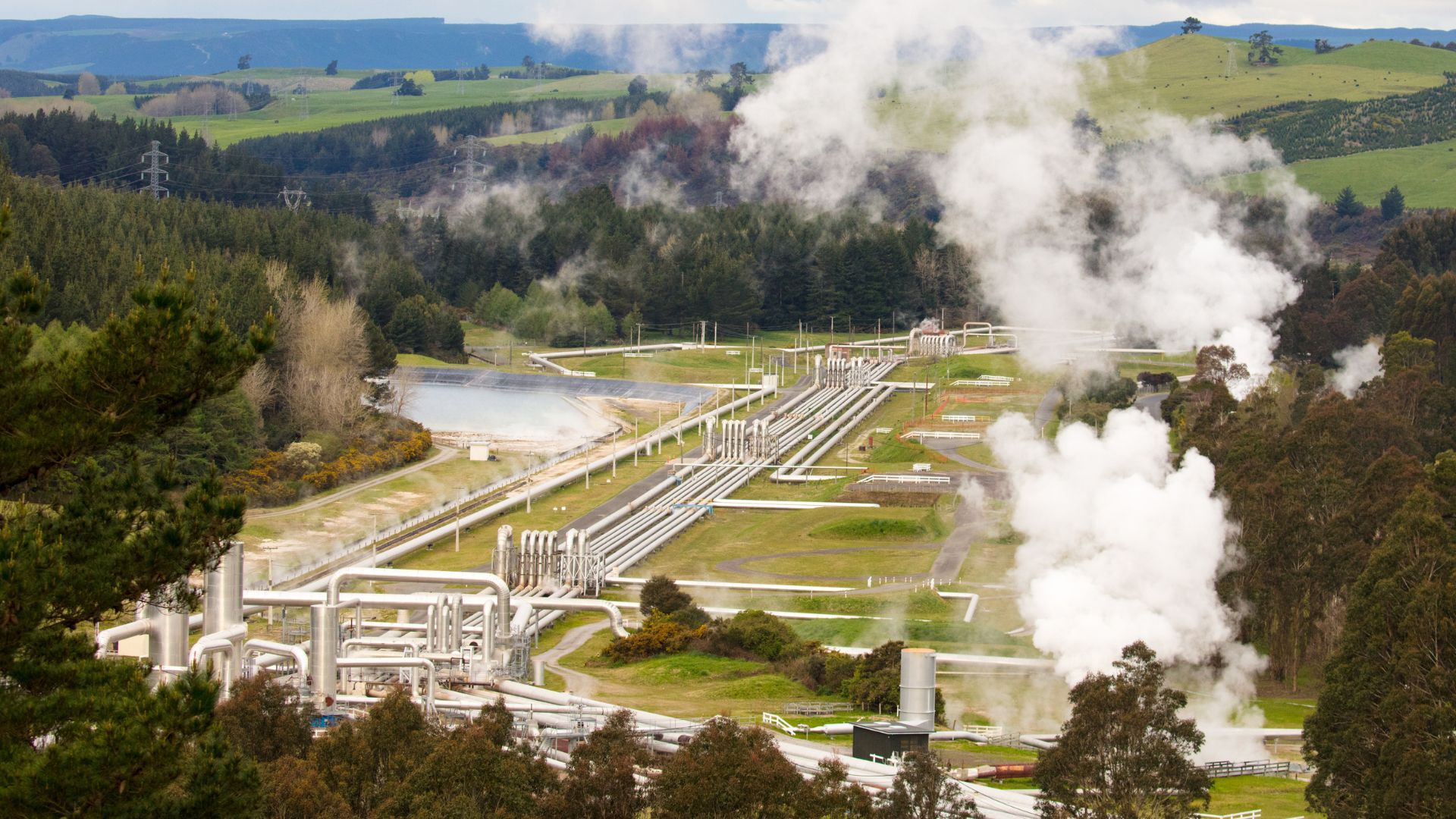







First Gen Corporation is expanding its corporate renewable energy portfolio after securing new geothermal power supply agreements with major industrial and commercial customers, including Wilmar Philippines, Shang Tower in Ortigas, and Valero Grand Tower in Makati. The deals highlight a growing preference among Philippine enterprises for baseload renewable energy that combines sustainability with operational reliability.
The power supply arrangements allow these companies to source electricity from geothermal facilities operated by First Gen’s renewable energy subsidiary, Energy Development Corporation. EDC is the country’s largest producer of geothermal energy, operating assets that deliver round-the-clock power, unlike intermittent renewable sources such as solar and wind.
For Wilmar Philippines, one of the country’s major agribusiness and manufacturing players, access to stable and predictable electricity is a core operational requirement. Geothermal power offers long-term supply security while helping the company reduce its carbon footprint and exposure to fuel price volatility. In energy-intensive manufacturing environments, baseload renewables are increasingly viewed as both a cost-management and risk-mitigation tool.
Commercial real estate developments such as Shang Tower and Valero Grand Tower are also turning to geothermal as sustainability expectations from tenants and investors continue to rise. Office towers with multinational occupants face growing pressure to demonstrate credible emissions reduction strategies, particularly as global firms tighten environmental, social, and governance standards across their regional operations.
First Gen executives have positioned the growing demand for geothermal power as evidence that corporate sustainability in the Philippines is moving beyond symbolic commitments. Instead of relying solely on renewable energy certificates or short-term offsets, companies are increasingly entering into direct supply agreements that reshape how their electricity is generated and delivered.
The transactions were made possible by the country’s retail electricity market, which allows qualified customers to choose their power suppliers. This framework has enabled renewable energy providers like First Gen to offer tailored solutions that align clean energy sourcing with long-term operational needs. As the market matures, competition among suppliers is shifting toward reliability, price stability, and carbon performance rather than headline capacity alone.
Industry analysts note that geothermal is regaining strategic importance as the Philippine power system absorbs more variable renewable capacity. While solar and wind remain essential to meeting energy transition targets, their intermittency has underscored the need for dependable low-carbon generation that can operate continuously. Geothermal fills that gap, providing both clean energy and grid stability.
For First Gen, the Wilmar, Shang, and Valero agreements reinforce the strategic value of its geothermal portfolio at a time when corporate energy buyers are becoming more sophisticated. Rather than focusing purely on cost, enterprises are increasingly weighing energy resilience, reputational risk, and long-term emissions exposure in their procurement decisions.
As more businesses reassess their power sourcing strategies, First Gen is positioning geothermal as a cornerstone of enterprise decarbonization in the Philippines. The latest deals signal that for a growing segment of corporate consumers, clean energy is no longer just about being green, but about securing reliable power in an increasingly complex and risk-sensitive energy landscape.