

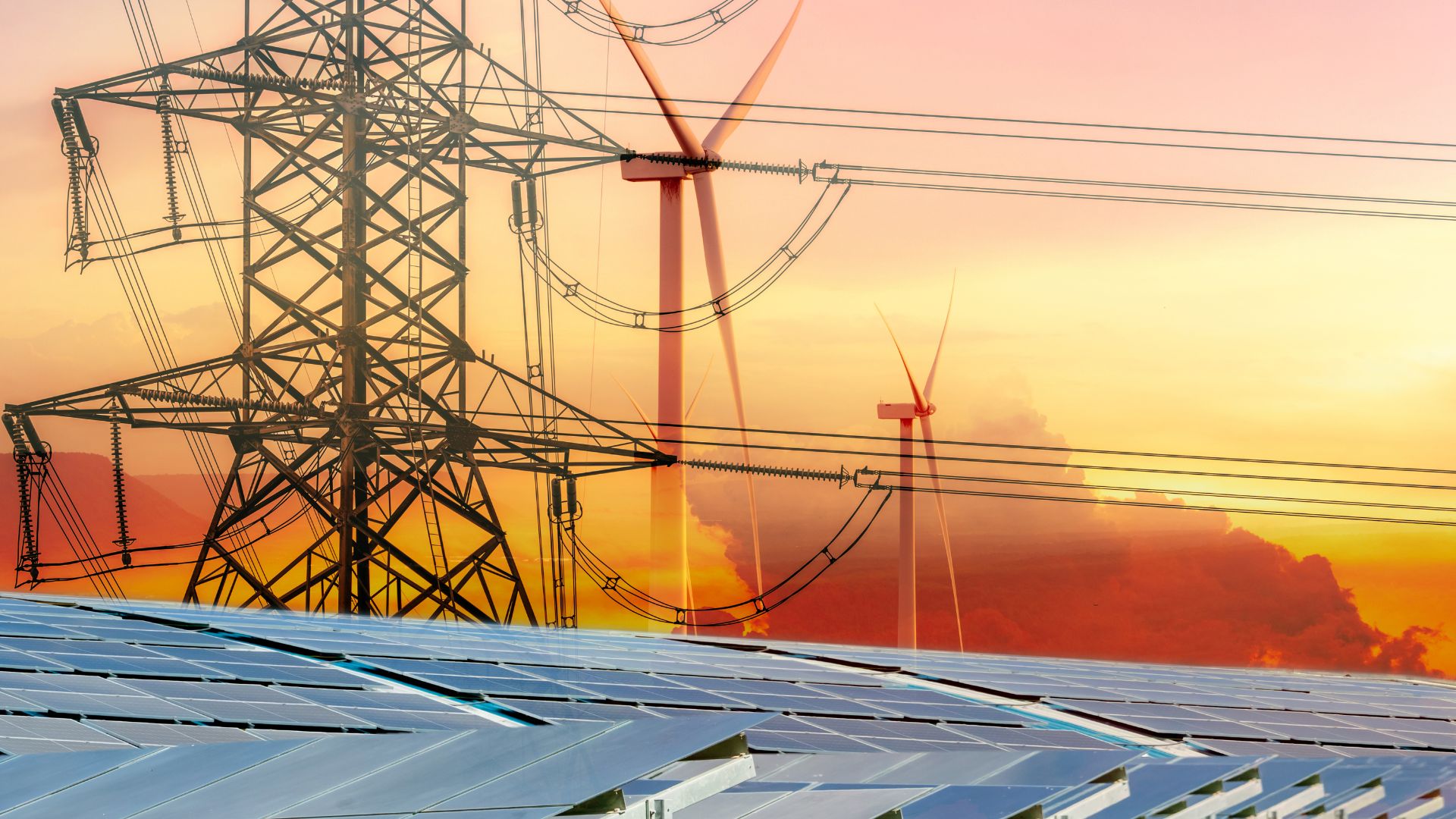







First Gen continues to occupy a central role in the Philippine energy transition as it balances its long-standing reliance on natural gas with an expanding renewable energy portfolio.
The company operates the country’s major gas-fired power plants and has been a consistent advocate of natural gas as a transition fuel. Gas has played a critical role in supporting grid reliability and lowering emissions compared to coal, particularly in Luzon. At the same time, the Philippines’ shift toward imported LNG has introduced new challenges related to fuel price volatility and supply security.
Parallel to its gas operations, First Gen has been scaling its renewable energy investments, including geothermal, hydro, solar, and wind assets. This dual strategy reflects both policy direction and operational necessity. While renewables are central to long-term decarbonization goals, gas remains essential for meeting baseload and peaking requirements under current system conditions.
First Gen’s position places it at the center of debates around the future role of gas in the Philippine energy mix. Critics question the long-term compatibility of gas with climate targets, while proponents argue that it remains a necessary bridge as renewable capacity and storage infrastructure mature.
The company’s evolving portfolio illustrates the tension between ambition and practicality in the energy transition. How First Gen manages fuel risk, regulatory expectations, and capital allocation will shape perceptions of gas as a transition fuel and influence broader policy discussions in the sector.