







Indonesia Sets July 1 Mandatory Start Date For B50 Biodiesel Mandate

Indonesia’s B50 program is described by senior Energy Ministry officials as the first mandatory 50% biofuel blend program in the world, drawing study visits from countries seeking to replicate the model.

IAEA Chief Endorses Malaysia’s Nuclear Power Programme Readiness

No final decision on reactor technology, plant location, or construction contract has been announced; Malaysia’s nuclear programme remains in the structured pre-deployment feasibility phase.

Laos And Japan Deepen Clean Energy Cooperation Under Comprehensive Strategic Partnership At Tokyo Summit

Japan’s POWERR Asia framework, endorsed by Laos at the June 10 Tokyo summit, targets both short-term fuel security and long-term structural energy resilience across Asia.

Rosatom And Laos Sign Intergovernmental Nuclear Energy Agreement

The June 15 Laos nuclear agreement expands Rosatom’s ASEAN presence at a moment when regional energy security concerns are reshaping how governments evaluate long-term generation options.
SEND TO: pressreleases@pageonemedia.ph

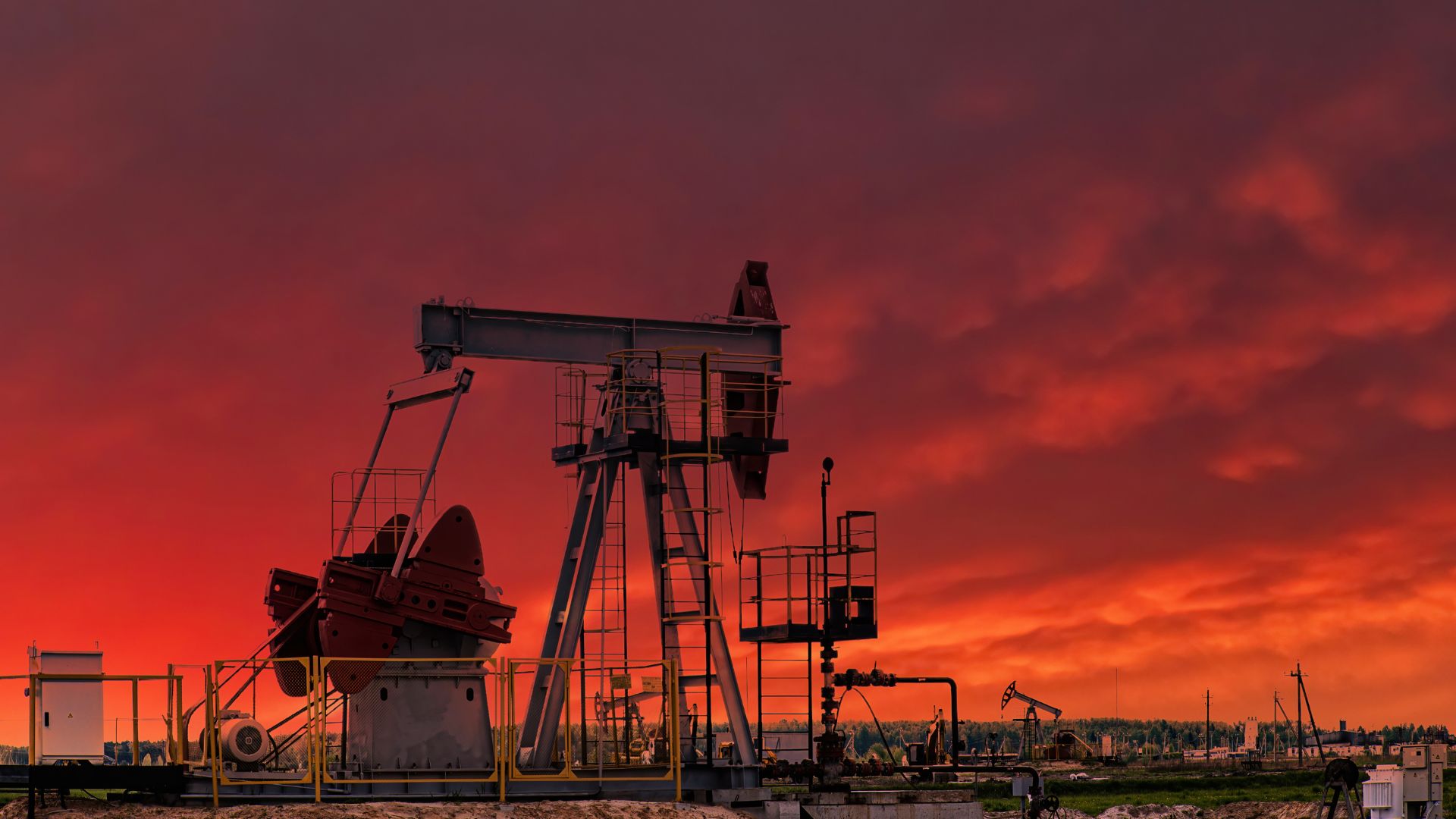
Oil Risk Reemerges As Middle East Tensions Intensify

Dubai crude prices have climbed sharply year to date, heightening inflation sensitivity across emerging economies.

Oil Risk Reemerges As Middle East Tensions Intensify

33
33

How do you feel about this story?

Like
Love
Haha
Wow
Sad
Angry

Geopolitical risks rarely announce themselves gradually. They escalate quickly.

Renewed strikes involving US and Israeli forces and Iran have heightened concerns about energy supply disruptions. Dubai crude prices have risen sharply year to date, amplifying inflation sensitivity across emerging markets.

Oil feeds directly into transportation, logistics, food production, and consumer prices. For central banks considering easing, rising crude complicates policy flexibility.

Bond markets have responded cautiously, with safe haven flows pushing yields lower. Yet a prolonged conflict could reverse that dynamic if inflation expectations climb.

For the Philippines, which imports a significant portion of its energy needs, sustained oil price increases would feed into inflation and pressure household spending.

Markets are currently pricing contained disruption. But geopolitical risk is inherently unpredictable.

Energy volatility remains one of the most significant external variables shaping 2026 macro outcomes.