

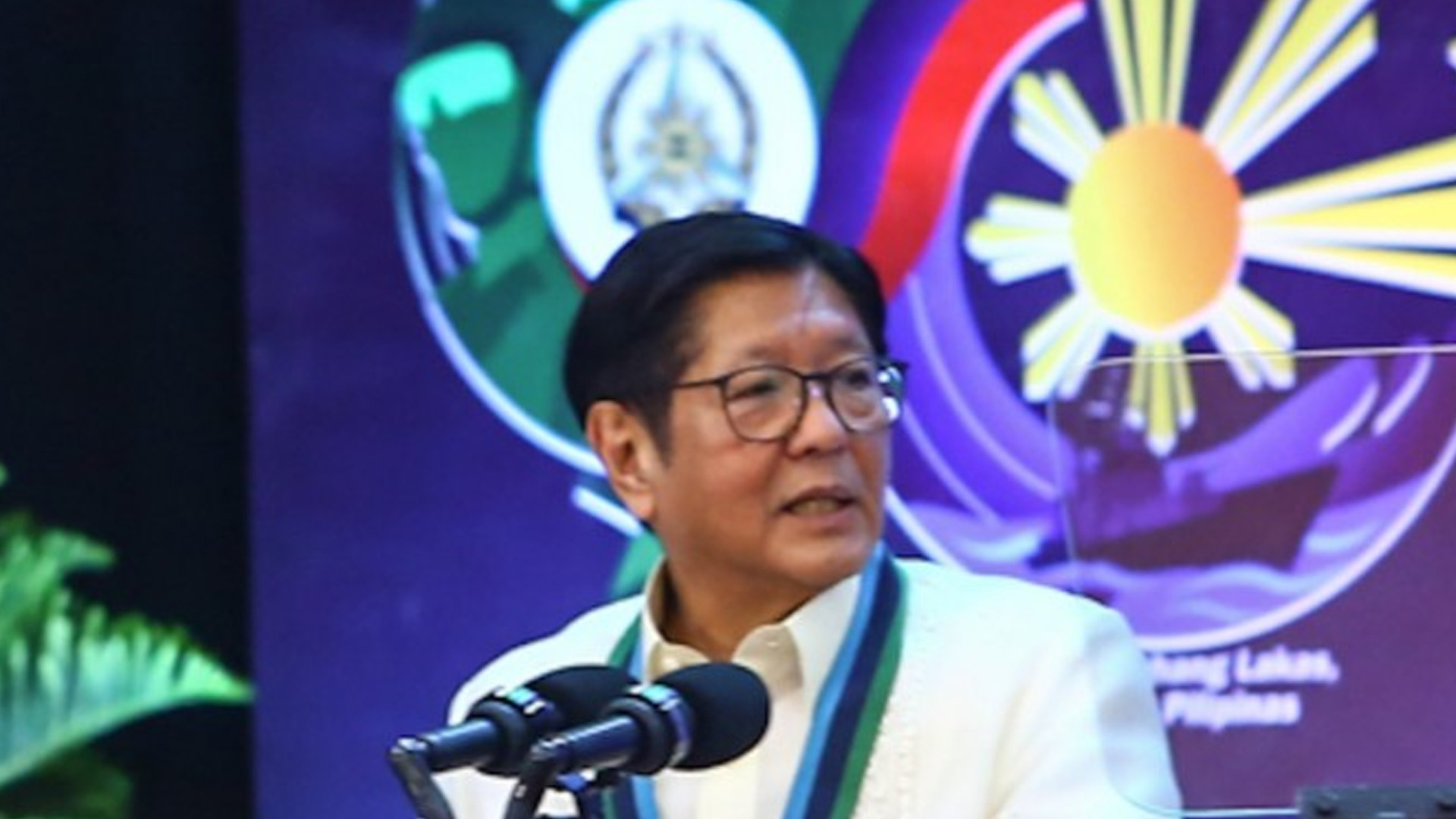







President Ferdinand R. Marcos Jr. on Sunday underscored the need to overhaul outdated government policies that slow down transactions and burden ordinary Filipinos, as he renewed his push for digitalization and ease of doing business.
In his latest vlog titled “Polisiya (Policy),” Marcos said policies should ultimately make life easier for citizens, not create unnecessary hardship.
“Kailangan padaliin ang pamumuhay ng Pilipino. Dahil ang sistema ay kailangan nagdadala ng ginhawa sa tao, hindi sakit ng ulo (We must make the life of Filipinos easier. Because the system needs to bring comfort to people, not headaches),” the President said.
Marcos outlined what he described as the hallmarks of good public policy: clear objectives, ease of implementation, enforceability, and direct benefit to the public.
He said policies should guide behavior and contribute to better governance outcomes.
The President cited examples from other countries, including stricter discipline policies, health-related regulations, and work-life balance measures, noting how these have improved productivity and public welfare abroad.
However, Marcos said the Philippines must urgently focus on fixing “outdated policies” that hamper government services, pointing to long queues, redundant paperwork, and requirements that force citizens to appear physically for transactions that can be done digitally.
As part of the solution, Marcos highlighted the rollout of the eGov app and digital licenses, particularly at the Land Transportation Office, to reduce red tape and corruption.
He also cited commuter-friendly measures such as free and fast Wi-Fi in buses and trains, discounted fares for students and persons with disabilities, and the government’s zero-billing policy to expand healthcare coverage for the middle class.
Marcos, who is recovering from a recent health setback, said his condition is improving and assured the public that he remains focused on governance reforms.
“Ang mga polisiya ay kultura na isinusulat bilang batas (Policies are culture written as law),” the President said, urging the public to take part by proposing reforms that can help address everyday problems. (PNA)