

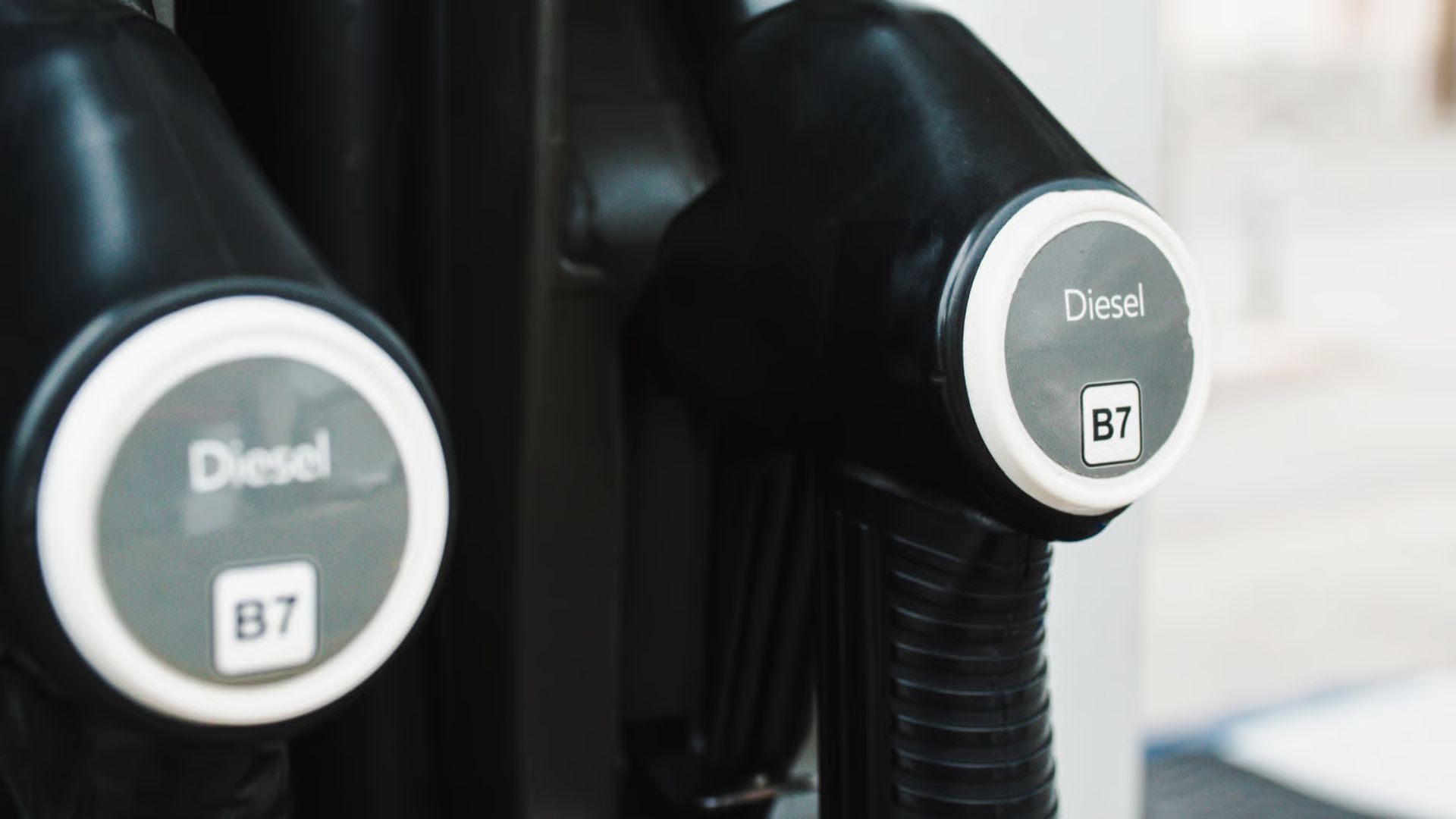







The Philippine National Oil Company Exploration Corporation has received three emergency diesel shipments totaling approximately 1.12 million barrels since late March 2026, with two additional deliveries confirmed for April 21 and 24 under the government’s Emergency Energy Security Program. As of April 17, national fuel inventories stood at 40.26 days of LPG supply, 50.13 days of diesel, and 54.47 days of gasoline, a recovery from the 45-day average recorded on March 20 when the program was accelerating. The shipments were procured through PNOC-EC using a special BIR permit issued March 30 to expedite importation outside standard customs timelines. The Subic Bay Freeport, via the Philippine Coastal Storage and Pipeline Corporation, is serving as the primary storage and distribution hub, with a capacity of approximately 6.3 million barrels representing 20 percent of national fuel storage.
The sustained cadence of emergency deliveries illustrates both the operational reach of the Philippines’ fuel security program under Executive Order No. 110 and the limits of that reach: officials have acknowledged that the combined incoming volumes represent approximately three additional days of diesel supply against daily national demand of 205,000 barrels.
Key Facts At A Glance
- The third emergency shipment of 320,000 barrels (50.88 million liters) arrived at Subic Bay on April 21, 2026; a fourth shipment of 330,000 barrels (52.47 million liters) is scheduled for Davao on April 24.
- Prior deliveries: 142,000 barrels from Japan on March 26, and 329,000 barrels on April 10, both through PNOC-EC.
- Projected total from the current procurement program: approximately 1.12 million barrels of diesel.
- As of April 17, fuel inventory days: LPG at 40.26 days, diesel at 50.13 days, gasoline at 54.47 days, and jet fuel at 60.69 days.
- PNOC-EC’s overall emergency target: 2 million barrels of oil and 22,000 metric tons of LPG as national buffer stock.
- An additional 21,000 metric tons of LPG procured from the United States is scheduled for delivery to Batangas between May 20 and 31.
- Non-traditional suppliers engaged by the DOE include Argentina, Canada, Australia, Colombia, Brunei, and India.
- The Philippine Coastal Storage and Pipeline Corporation facility at Subic holds approximately 6.3 million barrels (roughly 1 billion liters) of storage capacity, representing 20 percent of national fuel storage.
Rolling Response
The Philippine government’s fuel procurement effort has operated in sequenced batches since the national energy emergency was declared on March 24, 2026 under Executive Order No. 110, signed by President Ferdinand R. Marcos Jr. That order directed state agencies to take urgent measures to safeguard domestic energy supply following disruptions to the Strait of Hormuz beginning February 28. The Department of Energy’s (DOE) Oil Industry Management Bureau has been publishing weekly inventory data since late March, tracking supply days across fuel types.
The first government-secured shipment of 142,000 barrels arrived from Japan on March 26. A second batch of 329,000 barrels arrived at Subic Bay on April 10, procured from Malaysia via a Singaporean trading intermediary. A third shipment of 320,000 barrels of diesel, routed from Singapore, arrived at Subic Bay on April 21. A fourth, also from Singapore, carrying 330,000 barrels, is scheduled to discharge in Davao on April 24.
DOE Undersecretary Alessandro Sales confirmed on April 20 that the combined April 21 and April 24 deliveries would add roughly three days of diesel supply to the national buffer. The Philippines consumes an average of approximately 205,000 barrels of diesel per day based on recent demand data.
PNOC-EC received a special permit from the Bureau of Internal Revenue on March 30 to fast-track petroleum importation outside standard bureaucratic and customs timelines, a measure the Subic Bay Metropolitan Authority described as central to the logistics chain.
Subic As Strategic Hub
The Philippine Coastal Storage and Pipeline Corporation facility at Subic Bay Freeport has emerged as the operational anchor of the emergency fuel program. With approximately 6.3 million barrels of storage capacity spread across 160 hectares of former U.S. Naval Base infrastructure, the site accounts for roughly 20 percent of total national fuel storage. Subic Bay Metropolitan Authority Senior Deputy Administrator Ronnie Yambao confirmed on April 21 that the facility is functioning as a primary distribution center for diesel, gasoline, and jet fuel across Metro Manila, Central Luzon, and Northern Luzon.
Inventory Trajectory
Fuel inventory levels have improved from the critical lows of late March, when Energy Secretary Sharon S. Garin warned that diesel stocks could last as few as 45 days and LPG as few as 25 days. As of April 17, LPG inventory had recovered to 40.26 days, up approximately 4 days from the prior week. Diesel stood at 50.13 days and gasoline at 54.47 days.
Garin has consistently framed the inventory metric not as an absolute countdown to depletion, but as the lead time available to secure replenishment. The DOE continues to monitor in-transit volumes and confirmed orders on a weekly basis.
Broader Procurement Strategy
PNOC-EC’s stated target is to build a national buffer stock of 2 million barrels of oil and 22,000 metric tons of LPG. The LPG component has been partly addressed through a contract for 21,000 metric tons sourced from the United States, scheduled for delivery to Batangas Port between May 20 and May 31, transiting through Singapore.
The DOE has disclosed active engagement with non-traditional supplier countries, including Argentina, Canada, Australia, Colombia, Brunei, and India. The Department of Foreign Affairs is conducting parallel diplomatic discussions with additional oil-producing nations.