

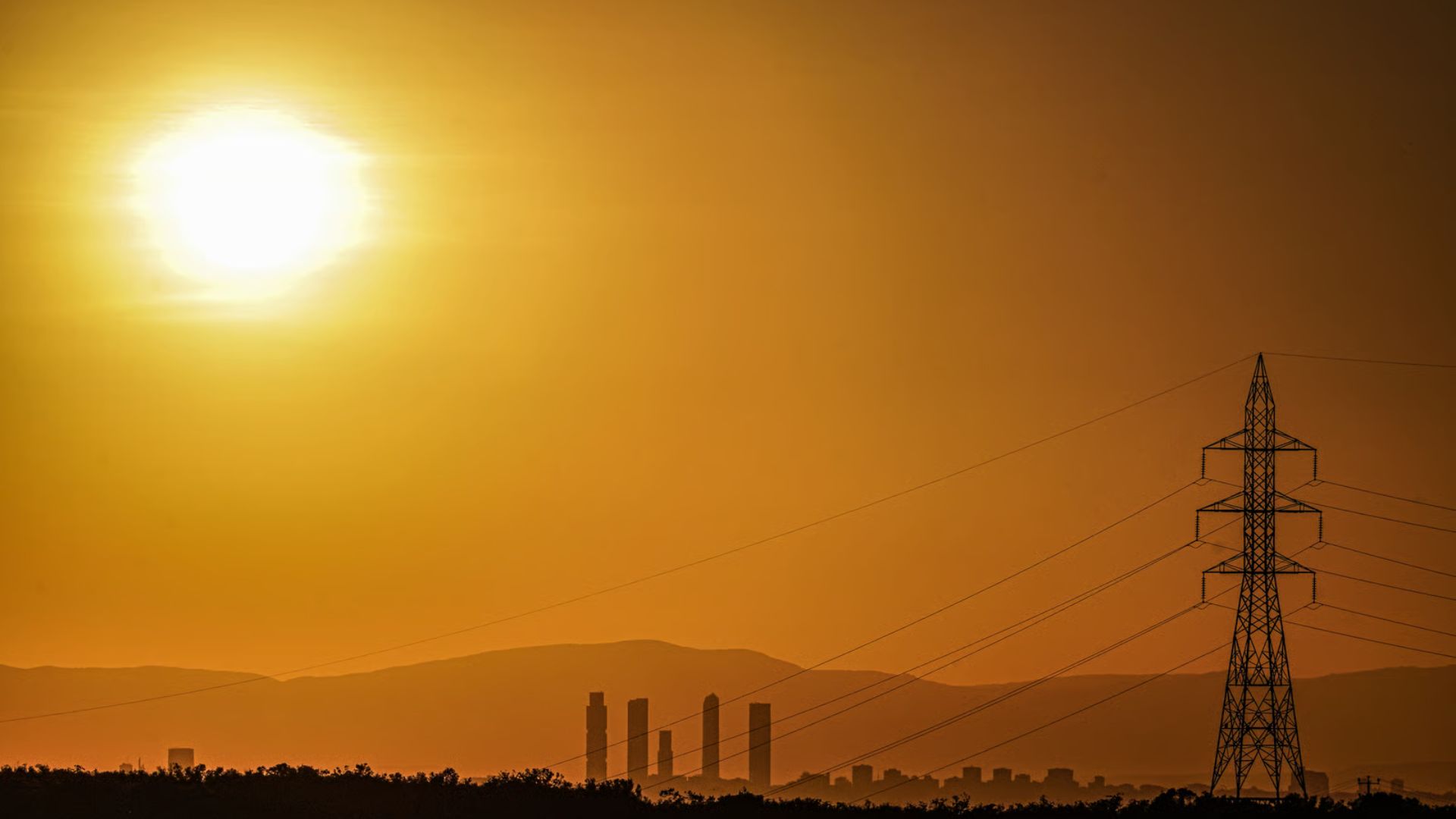







An early and intense heatwave swept across Vietnam in the first two weeks of April 2026, driving national electricity consumption to a new 2026 peak of 51,691 MW on April 7 — a 12% year-on-year increase — while simultaneously tightening the operating margins of a power system already under pressure from Strait of Hormuz supply disruptions and declining domestic gas reserves. The National Power System Operation and Electricity Market Company, known as NSMO, and Vietnam Electricity, known as EVN, have activated a range of emergency and pre-emptive measures to manage the approaching peak dry season, but structural vulnerabilities in fuel supply and grid infrastructure remain unresolved.
Key Facts At A Glance
- National system peak capacity reached 51,691 MW at 3:55 pm on April 7, 2026 — the highest recorded in 2026 and up approximately 12% year-on-year
- Temperatures in Nghe An, Ha Tinh, and Quang Tri provinces exceeded 40 degrees Celsius between April 6 and 8; Tay Hieu Ward in Nghe An recorded 41.9 degrees Celsius
- National electricity consumption exceeded 1 billion kWh per day for the first time in 2026 on March 31 — a milestone previously reached only in mid-May 2025
- Total electricity output on April 7 reached 1.078 billion kWh, up 15.2% compared to the same period in 2025
- Coal-fired thermal power accounts for approximately 55% of Vietnam’s generation mix; gas turbines contribute 9.3%; hydropower 21.7%
- LNG prices have at times doubled to nearly tripled during the Strait of Hormuz disruption, raising generation costs at gas-fired plants
- Declining domestic gas output from the Southeast region is projected to create evening supply deficits in southern Vietnam, with risks becoming clearer during 2027-2028
- Heatwaves are forecast to persist from late April through August 2026, with the northern and central regions most exposed
- A 70-80% probability of El Nino development has been identified, with potential impacts through 2027
- Vietnam’s installed national capacity stands at approximately 92,383 MW but available peak capacity is approximately 56,800 MW due to fuel constraints, maintenance, and hydropower water limitations
- EVN has been directed to achieve at least 3% national electricity savings in 2026, with a minimum 10% reduction during peak hot months
The Heatwave And Its Grid Impact
Vietnam’s National Centre for Hydro-Meteorological Forecasting issued warnings from early April of an intense heatwave driven by a persistent low-pressure system combined with a strong foehn wind effect. Between April 6 and 8, temperatures in the corridor from Nghe An to Quang Tri surged to approximately 40 degrees Celsius, with isolated localities recording significantly higher readings. Tay Hieu Ward in Nghe An reached 41.9 degrees Celsius while Con Cuong Commune in the same province recorded 41.3 degrees. North-western regions including Muong Te in Lai Chau and Mai Chau in Hoa Binh also recorded temperatures above 39 and 40 degrees respectively.
On April 7, NSMO recorded a national system peak of 51,691 MW at 3:55 pm, with the northern region alone accounting for 24,717 MW — the highest northern regional load since the start of 2026. Total national electricity output that day reached 1.078 billion kWh, an increase of 70 million kWh compared to March 31, and up 15.2% compared to the same period in 2025. Forecasters classified heat risk at level 2 across central provinces from Nghe An to Hue — a threshold indicating clear impacts on public health and daily economic activity. Temperatures were expected to begin easing after April 14, though the National Centre for Hydro-Meteorological Forecasting warned that 2026 is on track to see more frequent and severe heat events than 2025.
Compounding Fuel Supply Pressures
The heatwave-driven demand spike is occurring within a power system already managing fuel supply constraints on multiple fronts. The Strait of Hormuz disruption that began in late February 2026 has pushed LNG import costs to levels that NSMO described as doubling to nearly tripling at peak periods relative to pre-war benchmarks. Gas turbines and LNG-fired plants — which together account for approximately 9-10% of Vietnam’s generation mix — face higher fuel costs and, in some cases, supply uncertainty given the disruption to global LNG trade flows.
Separately from the external supply shock, Vietnam faces a structural domestic gas supply challenge. NSMO Deputy General Director Nguyen Quoc Trung stated that declining domestic gas output from aging fields in the Southeast region is already affecting gas-fired plants in that area and could create evening electricity deficits in southern Vietnam as solar and wind output falls. While these impacts may not be critical in 2026, Trung warned they are projected to become more pronounced during 2027-2028 as field depletion accelerates and the LNG import infrastructure needed to replace that supply remains under construction.
On the coal side, exporting countries — notably Indonesia — have shown signs of restricting exports to prioritize domestic demand amid elevated global coal prices. Coal-fired thermal power accounts for approximately 55% of Vietnam’s current generation mix, making supply security in this category a primary operational concern for EVN and NSMO as they manage the dry season peak.
Hydropower Constraints
Vietnam’s hydropower capacity exceeds 25,000 MW and provides approximately 21.7% of national generation. However, NSMO has flagged that hydropower output faces downward pressure during the current dry season due to lower water inflows, reduced head pressure at smaller facilities, and the operational need to maintain reservoir levels for downstream agricultural and domestic water supply. Forecasters have indicated a 70-80% probability of El Nino development by mid-year at moderate to high intensity — comparable in some models to major past events such as 1997-1998 and 2015-2016 — which would materially reduce rainfall and further deplete hydroelectric reservoirs from July 2026 onward.
Grid Infrastructure Gaps
NSMO and EVN have flagged that 500 kV transmission lines are operating at high load and that key grid projects remain behind schedule. Transmission upgrades identified as critical for the 2026 dry season include 500 kV and 220 kV lines linking Nho Quan, Phu Ly, and Thuong Tin in the north, as well as substation upgrades in the Vinh Yen and Hoa Binh areas. The deployment of battery energy storage systems and horizontal capacitor banks on the northern grid is being accelerated to improve grid stability during peak hours but has not yet reached operational readiness at the scale required.
EVN is also focusing on bringing the Quang Trach 1 thermal power plant’s first unit online, with grid synchronization targeted for April and commercial operations from May 2026. The Quang Trach 2 LNG project is scheduled for a second-quarter groundbreaking, while procedures for Quang Trach 3 are still being finalized — a sequencing that underscores the medium-term structural gap between Vietnam’s LNG-fired capacity ambitions and current operational reality.
Demand-Side Measures
Prime Minister Directive No. 10/CT-TTg, issued March 30, established a national electricity savings target of at least 3% of total consumption for 2026, rising to a minimum 10% reduction during peak hot months. The directive calls for load-shifting programs targeting at least 3,000 MW of peak-hour reduction and promotes rooftop solar development for self-generation. NSMO has called on households and businesses to avoid simultaneous use of high-capacity appliances during peak evening hours. These measures reflect a recognition that supply-side options are constrained and that demand management is the most immediately available lever for system stability.